3D Metrology Solutions for Every Application

Customer Applications and Technical Whitepapers
View and download a variety of metrology application stories and technical whitepapers from a wide range of industries.


View and download a variety of metrology application stories and technical whitepapers from a wide range of industries.
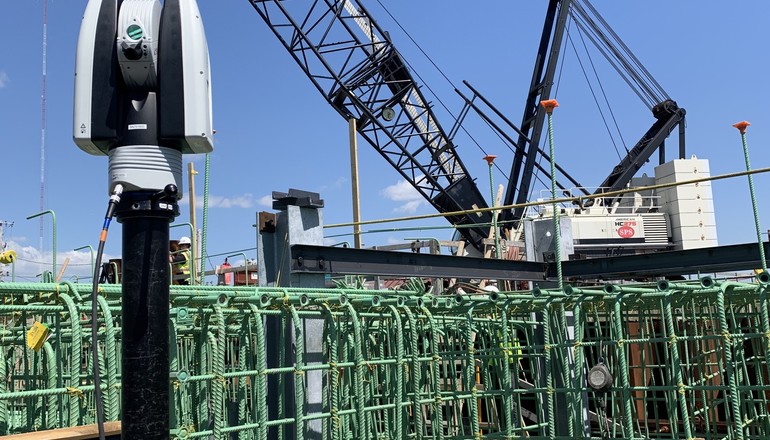
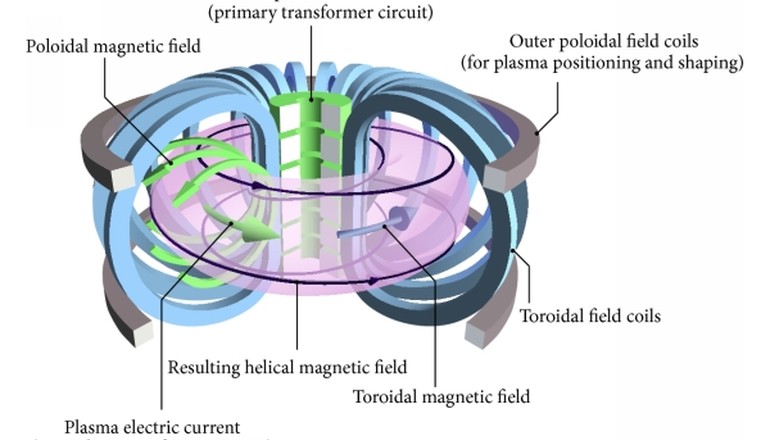
By utilizing ECM, this national laboratory was able to accomplish the required scan job of the tokamak in record time with the most efficient combination of technology.
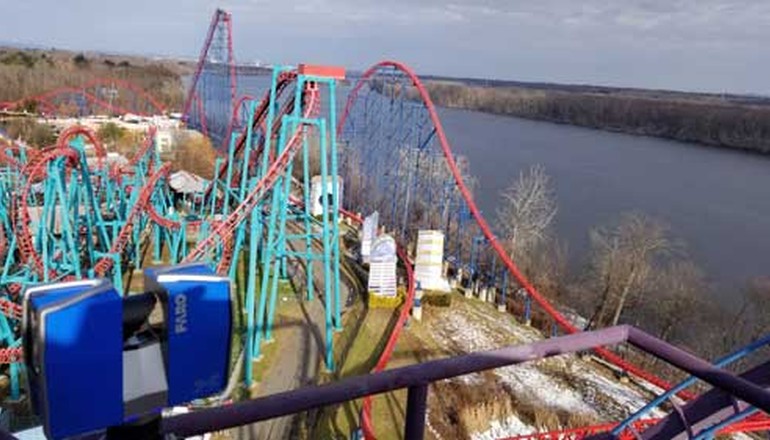
ECM was able to create an as-built model of the roller coaster in which Masoud could run mathematical models and simulations.
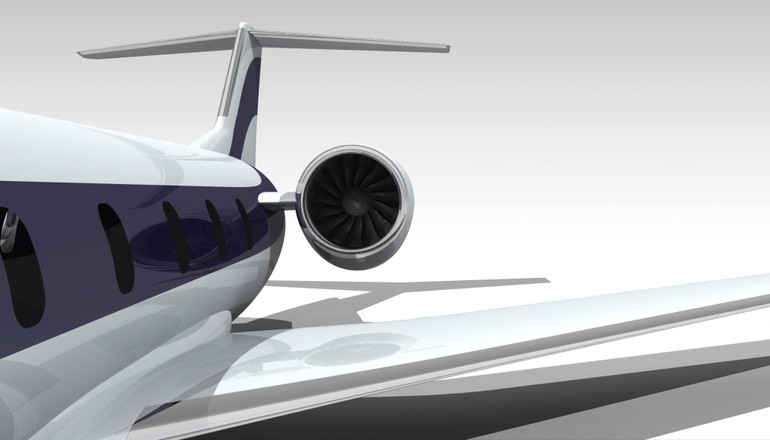
A manufacturer of commercial and business aircraft was seeking an automated solution to assemble major components of their new aircraft.
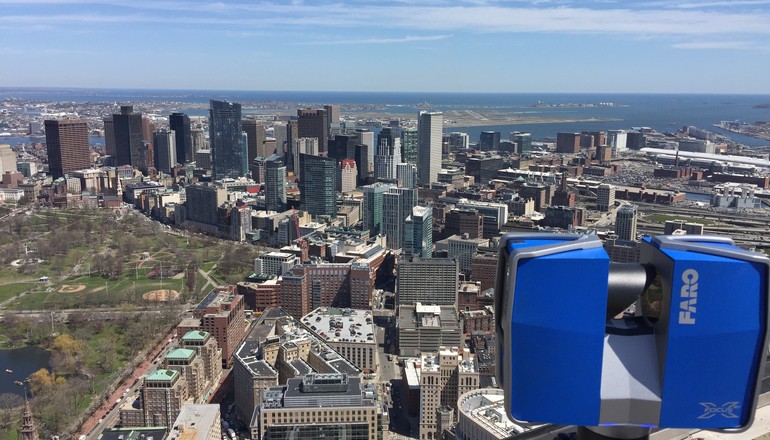
ECM can provide full facility mapping surveys, as-built documentation, and 3D digital modeling.
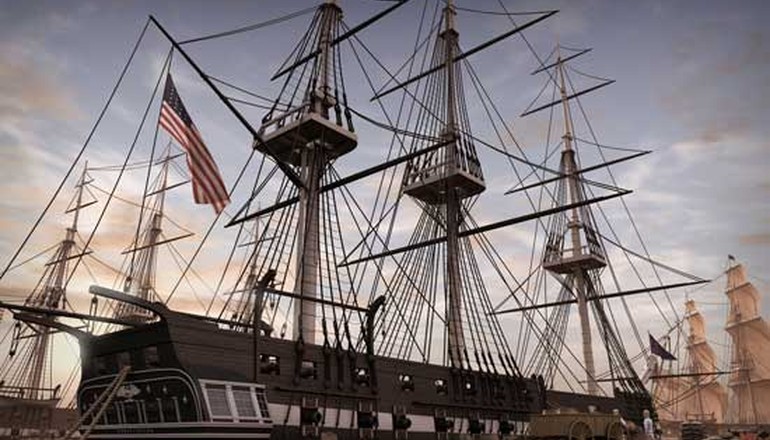
While preparing to drydock the USS Constitution for a three year overhaul and renovation, they found a leak in the drydock door.
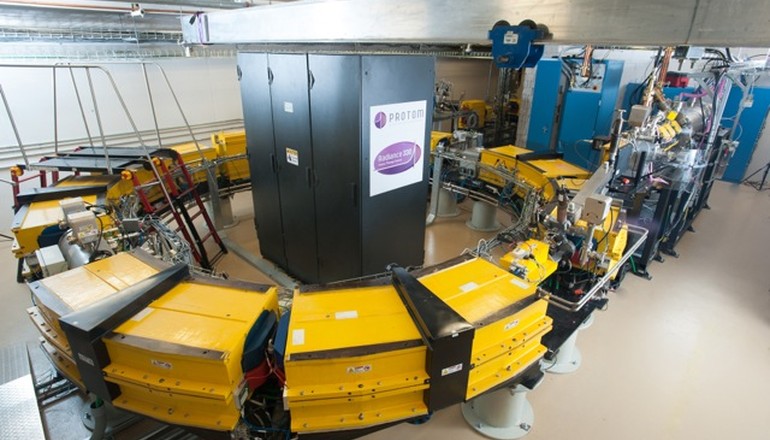
ECM was able to support ProTom by providing portable measurement equipment and the most sophisticated measurement and analysis software on the market.
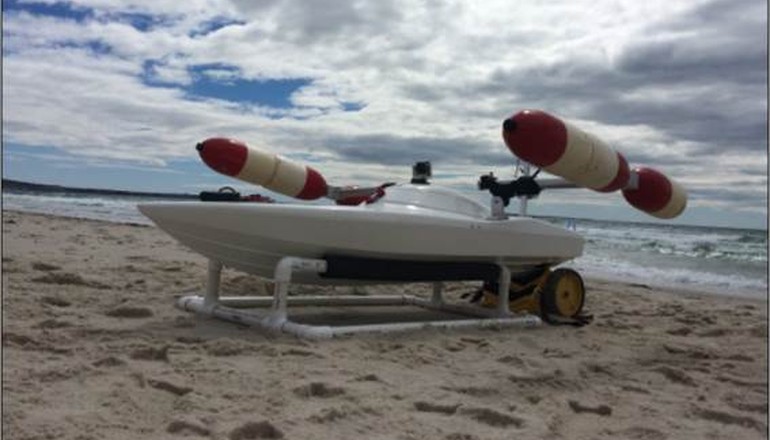
ECM Assists Northeastern University Senior Students Construct Vessel using Laser Scanning Technology
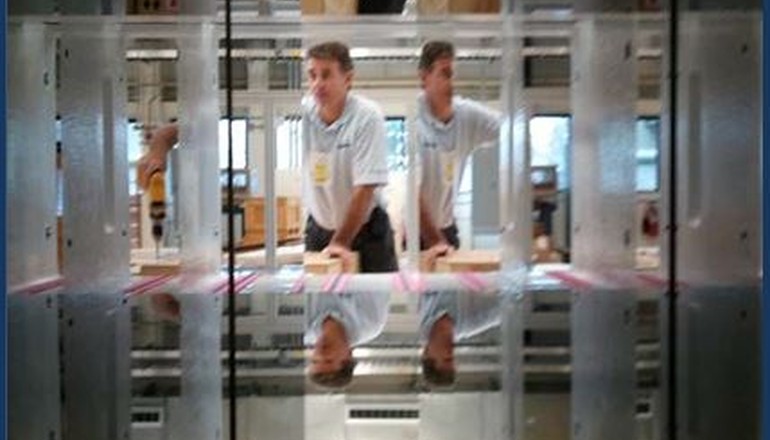
This paper addresses the challenges and the methods used by the ECM metrology team to provide proton therapy alignment with high accuracy.
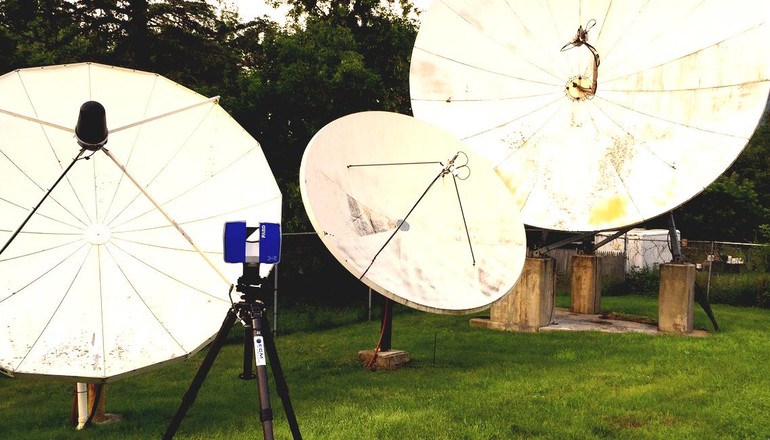
The ability to capture large amounts of spatial data of a territory is quickly becoming a standard project deliverable across many industries.
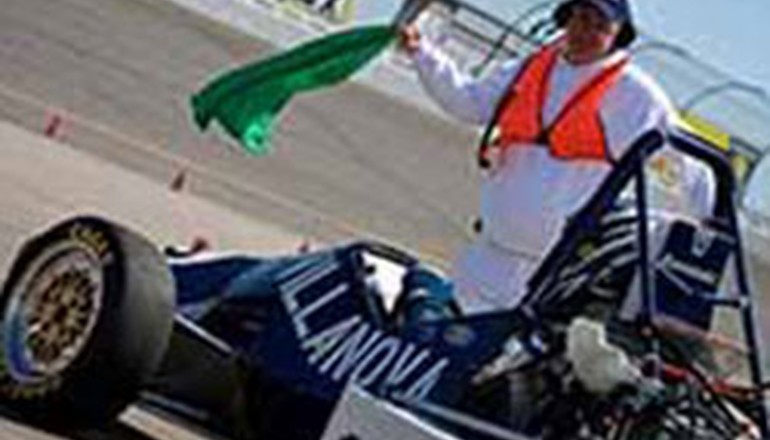
Each year, teams from colleges around the world design and build race cars for the Formula SAE competition.
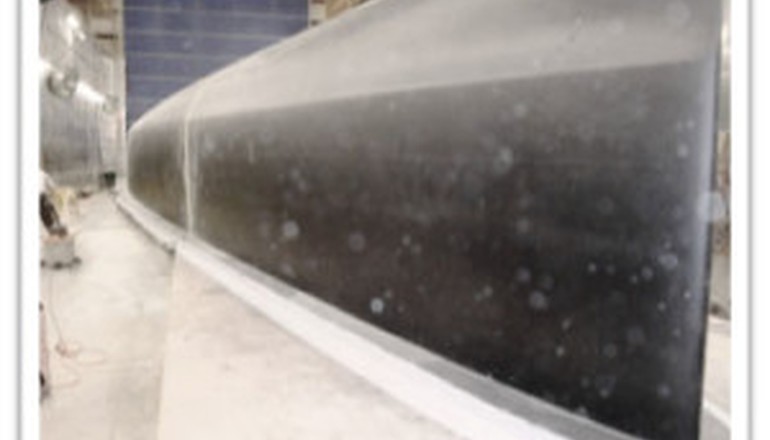
In greater Downeast Maine, boat builder Hodgdon Yachts plan for the construction of the 100 foot racing yacht.
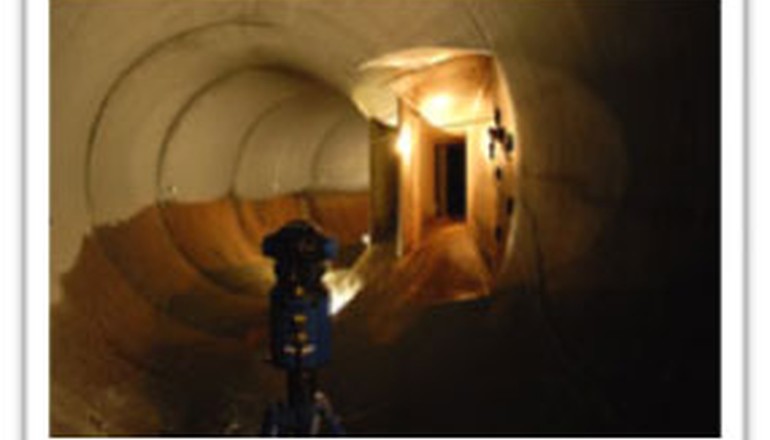
Brookfield Renewable Power contracted ECM to conduct a very unique on-site reverse engineering project at their Generating Station.
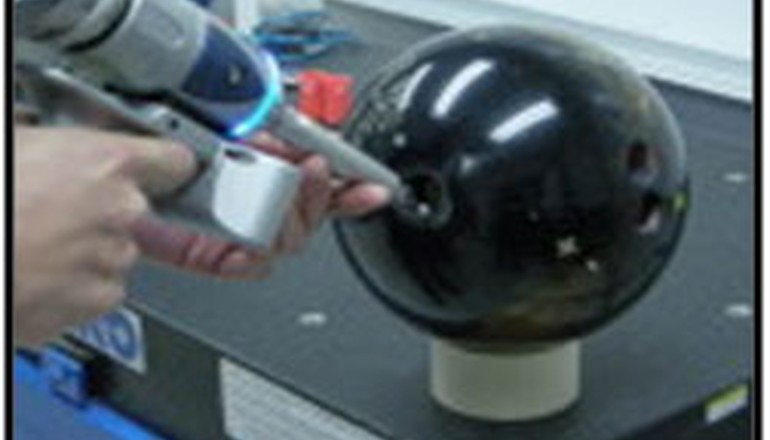
Veteran bowler, Ralph Dahlgren, wanted to replicate a favorite bowling ball that had the “perfect grip” for his right hand.
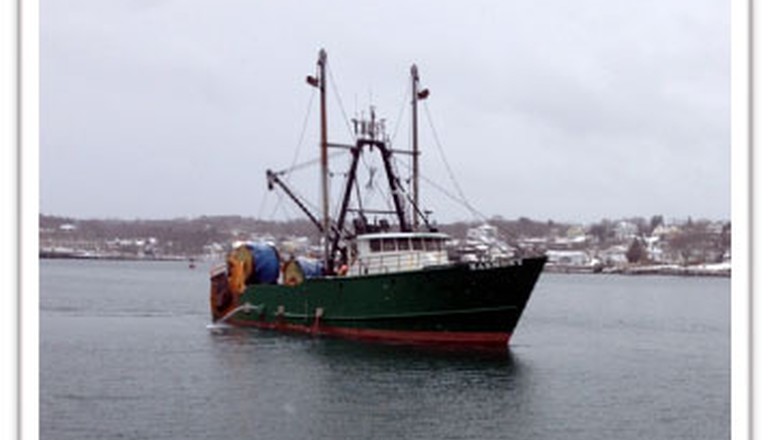
Atlantic Trawlers needed an accurate and fast method of measuring the Harmony propeller and generating a representative CAD model of the part.
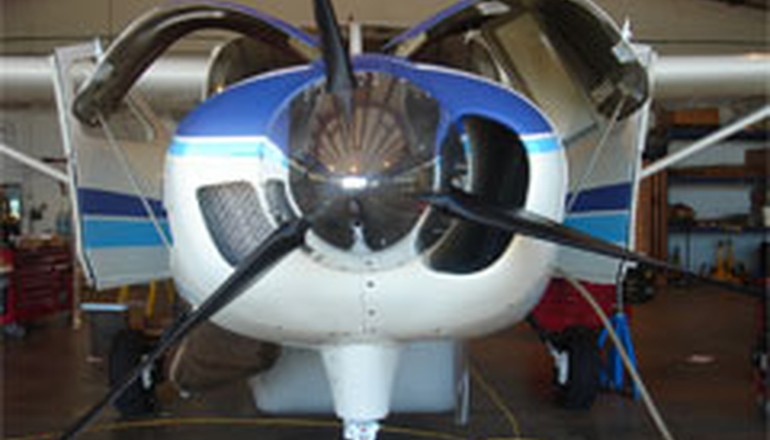
StandardAero contacted East Coast Metrology to increase the performance of the Cessna Caravan.